
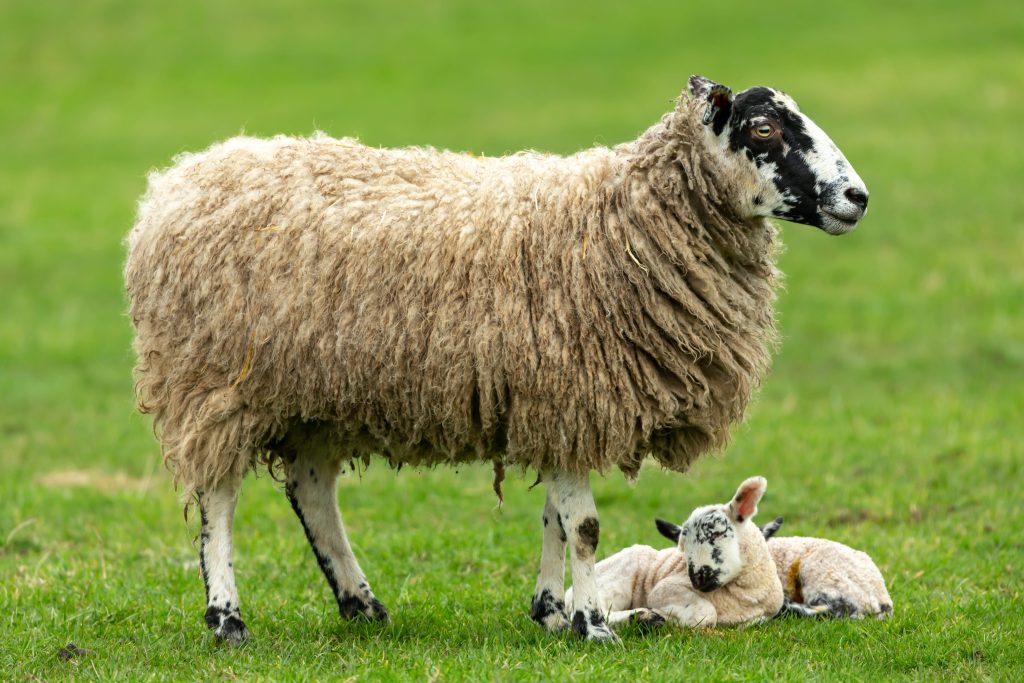
Many ewes have had a hard time so far this winter, with snow and freezing conditions to contend with and will have lost condition over the cold snap. Therefore, planning nutrition in the run up to lambing is critical to ensure the health and performance of both the ewe and her lambs.
Getting nutrition right for the ewe will go a long way to ensuring that lambs get off to a good start with plenty of high-quality colostrum, which starts to be made around three weeks before lambing. Good quality colostrum is a result of having ewes in the correct body condition for lambing (3-3.5 for lowland ewes and 2.5 for upland ewes) and good nutrition. Therefore, carrying out body condition scoring at eight weeks before the start of lambing will help you optimise feeding, by grouping ewes according to litter size and condition and feed accordingly.
A strong start determines a lamb’s future performance.
In order to optimise nutrition (and feed costs!), it is essential to get your forage analysed and take advice from a nutritionist regarding supplementary feeding. The aim is always to optimise forage intake and balance the forage with the correct amount and quality of concentrate (protein and energy). Protein quality is important, with research showing the benefits of high-quality bypass protein sources benefiting mammary gland development and therefore colostrum production, lamb birthweight and vigour. Good sources of bypass protein include soyabean meal, protected soyabean meal, protected rapeseed meal and to a lesser extent maize distillers dark grains.
If ewes are lacking in protein and energy, both colostrum yield and quality (immunoglobulin content) will be reduced. Poor colostrum (and immunoglobulin) intake in lambs can lead to increased risk of hypothermia and health issues, such as watery mouth, scours and pneumonia. For the ewe, a lack of energy pre-lambing can increase the risk of twin lamb disease, reduces milk production in early lactation which can impact on lamb growth rates.
Mineral/vitamin supplementation is also critical in the pre-lambing period to help maintain ewe health and colostrum quality. Major minerals such as calcium, magnesium and phosphorus can help minimise the incidence of milk fever and many trace elements are important for health and immunity. Selenium, in conjunction with vitamin E is particularly important to prevent white muscle disease in lambs. Vitamin E doesn’t cross the placenta to any great extent, so the lambs first source of vitamin E, essential for immunity, is through the colostrum.
When it comes to mineral supplementation there are many choices out there; powdered minerals, molassed buckets, drenches and boluses. Even when using a mineralised compound feed or blend, there can be benefits of providing additional supplementation, especially where low levels of concentrate feed are fed (i.e. to single bearing ewes in good condition or where forage quality is excellent) or antagonists are present in the forage (e.g. high levels of iron, aluminium, molybdenum), affecting trace element absorption.
Megastart Ewe & Lamb gives lambs the nutritional support they need from day one.
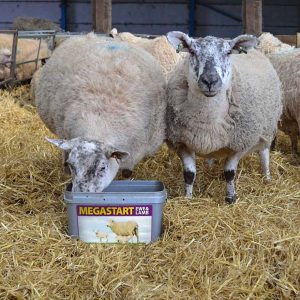
MEGASTART Ewe and Lamb is a mineralised high energy feed lick, which has been carefully formulated to provide valuable nutrition to the ewe during the last 4-6 weeks of pregnancy. Energy is provided from sugars, starch and protected fat and quality protein from soyabean meal to help meet the increasing nutritional demands of late pregnancy. One of the key ingredients is yeast cell wall extract which contains mannan-oligosaccharides (or MOS) and beta-glucans, which are designed to keep the gut healthy and stimulate the ewe’s immune system, improving colostrum quality. Research trials have shown a 15.2% increase in colostral immunoglobulin content. Other observations from trial work and farmers using the product include wetter lambs, so easier births and improved lamb vigour.
For more information on how MEGASTART can benefit your flock at lambing time please contact your local merchant or member of the Scotmin team.